
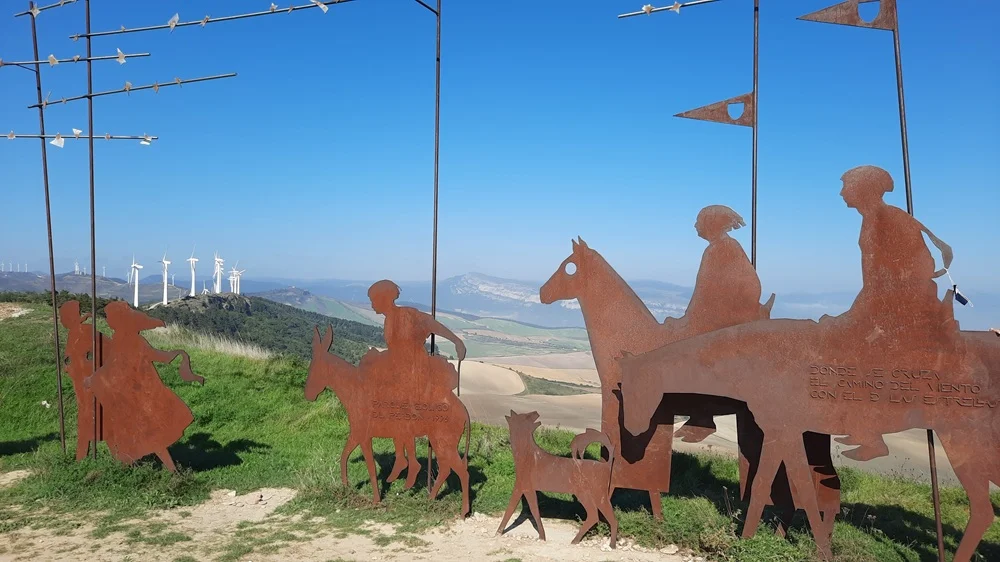
When I finished the Camino de Santiago, after 32 days of walking from France to Santiago de Compostela, I didn't imagine that, beyond the landscapes, the blisters, and the long walks, the most transformative aspect would be the people I would meet.
During the almost five weeks of my journey, my way of relating to others changed as much as the landscape itself. I went through all the stages, from initial solitude to more intimate connections with people who, until a few days before, were complete strangers.
The First Week: The Beginning of a New Adventure
I started alone in Saint-Jean-Pied-de-Port, a picturesque village on the French side of the Pyrenees. I had that mixture of nerves and excitement that is common before embarking on a long journey.
I didn't know anyone when I arrived at the pilgrim hostel, and yet, not a single night had passed before I had already started meeting people. I didn't know it yet, but these people would become my life companions.
The first day is one of the most demanding on the Camino, including crossing the Pyrenees to reach Roncesvalles (already on the Spanish side).
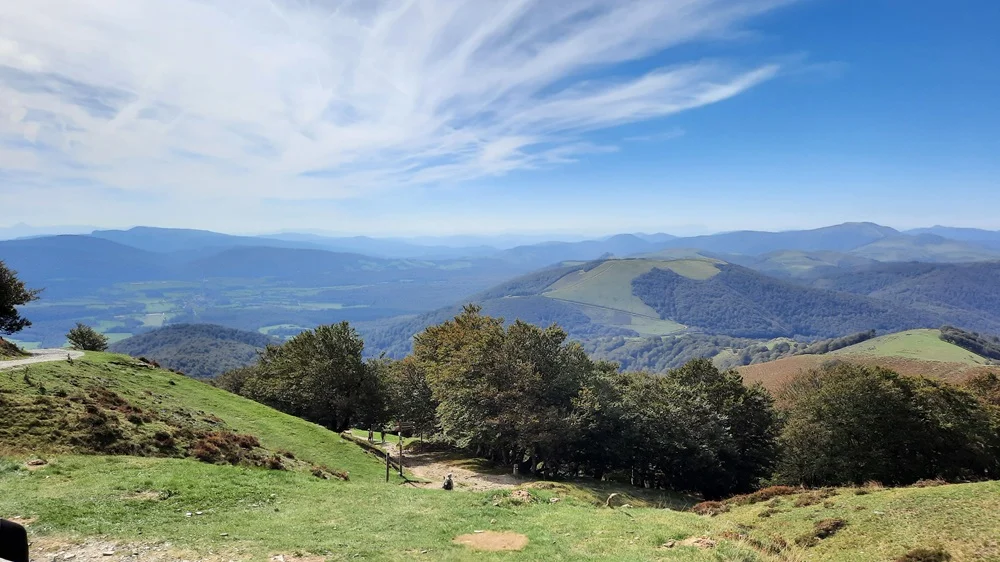
That night I met Edurne, a girl from Barcelona, and Paco, from Extremadura, two Spaniards traveling separately who, like me, were walking this legendary route for the first time. Later, they were joined by Daniela, an energetic girl from Brazil who spoke excellent Spanish, and Isa, also from Barcelona.
And so our small Spanish-speaking group was born, with whom I shared laughter, drinks, anecdotes, impromptu meals, and my first blisters.
During that week, we walked almost always together, as a group, looking out for each other and celebrating each arrival as a small shared victory.
The Second Week: Opening Up to the World
As the days went by, things started to change. I was already eager to branch out a bit from the group. It turned out that, because of the comfort of speaking the same language, we were too closed off among ourselves, and we weren't making room for other pilgrims from other parts of the world. And the truth is, the Camino is too diverse to just stick to the first people you meet.
There were many other pilgrims, whom we also ran into at the same hostels, in the bars of the villages, or during rest breaks. Most of us had set off on the same day from France, so we already recognized each other with a smile or by saying "Buen Camino!" (Have a good Camino!).
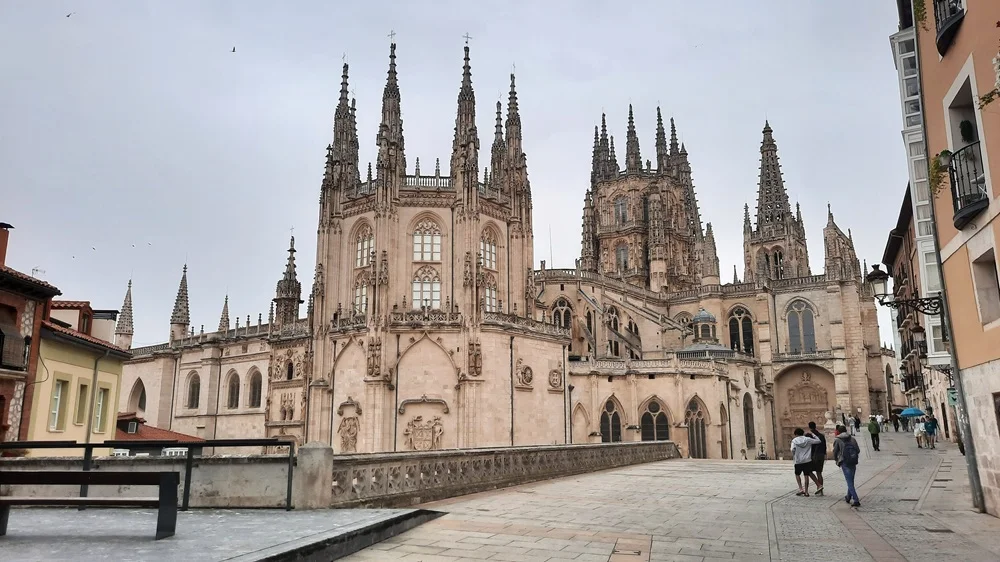
Then, after a week where we did everything together, our group began to open up to new pilgrims of other nationalities. I started sharing stretches of the Camino with people from Italy, France, Taiwan, Australia, South Africa, and other countries around the world.
The conversations were now more in English than in Spanish, but that didn't matter. What truly mattered was the human connection we were creating.
That mix of cultures and ways of experiencing the Camino gave the experience a new dimension; each person had their own story, their own motivation, and their own way of understanding the journey.
The Third Week: Rediscovering Myself
After two weeks of always walking with others, my mind began to crave silence. I felt the need for time for myself, to listen to my own thoughts and enjoy the rhythm of the Camino without distractions.
I experienced that third week more as a balance between the group and solitude. I decided to walk long hours alone, sometimes listening to music or the voices in my head, but in the afternoon, upon arriving back at the hostel, I would rejoin the group.
Between us we shared dinners, stories and good times. Sometimes I needed my space, but I didn’t want to lose that sense of community that the Camino had given me.
This third week was more about introspection, about looking inward, but without completely isolating myself from the rest of the group.
I learned that on the Camino, as in life itself, there are times when we want to share and others when it's good to connect with ourselves.
The Final Days: The Desire to Not Want It to End
By the fourth week, I started feeling strange, kind of sad but happy at the same time. As we approached Santiago de Compostela, my tiredness mingled with melancholy. I knew that most of my fellow pilgrims would return to their countries, to their routines, and that this special group would disperse.
That's why, during that last week, my needs shifted completely; I no longer wanted to be alone. I longed to walk with someone, to share the final kilometers, the last conversations, the last rests. I began to say goodbye in advance to some pilgrims who I knew would be taking a bus or a flight the next day upon arriving in Santiago.
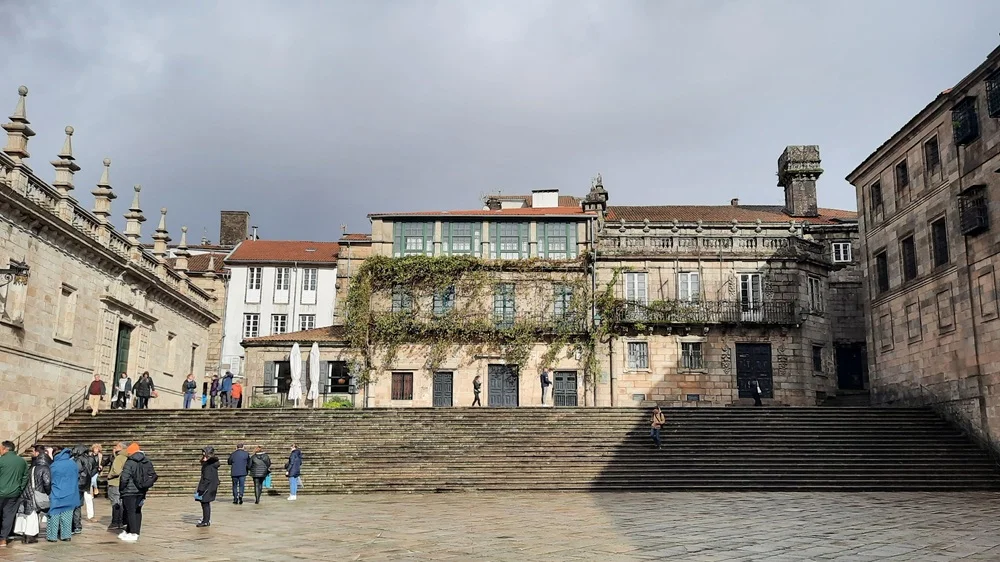
When I reached the Plaza del Obradoiro in Santiago de Compostela, it was a mixture of joy and nostalgia. I had not only physically reached the end of the Camino, but also the closing of a personal chapter.
For me, the true value of the Camino de Santiago wasn't in reaching the end, but in the human connections that were woven step by step, in that invisible thread that bound me to strangers who, for a few days or weeks, became my family.
Final thoughts
I never would have imagined, when I was planning how to do the Camino de Santiago, that its true essence wouldn't be in the path itself, but in the people I would meet along the way.
You can start alone, but the Camino itself takes care of bringing you together with whomever you need at each moment. Sometimes to share a stretch, other times to teach you something, or simply to remind you that we are never truly alone in this world.
If you're thinking about doing the entire Camino or a section of it, but you have doubts, I strongly recommend that you do it. All those fears will disappear as soon as you take the first step on the route.
And if you're one of those who wants to be alone and avoid socializing, you can do that too. You're going to run into a lot of people, that's for sure, but it's up to you whether you want to interact with them or not.