
The road out of Bergerac airport takes you past a Leclerc, a McDonald's and a tyre place, and for the first ten minutes you could be leaving any medium sized town in France. Then the roundabouts stop coming. The road narrows to two lanes and then to something closer to one and a half, with grass growing up the middle of it in places. Sunflower fields start. You pass a paddock with two donkeys standing nose to tail under a tree, and a buzzard on a fence post that does not bother moving as you go by. There is a village with a shut boulangerie, a war memorial and nobody in the street, and then twenty minutes later another one much like it, and the satnav is telling you to continue for eleven kilometres.
We had landed forty minutes before that in an airport smaller than a large supermarket, where a man was turning a handle to move the baggage carousel because it did not have a motor. The hire car desk was about forty steps from where we picked our bags up.
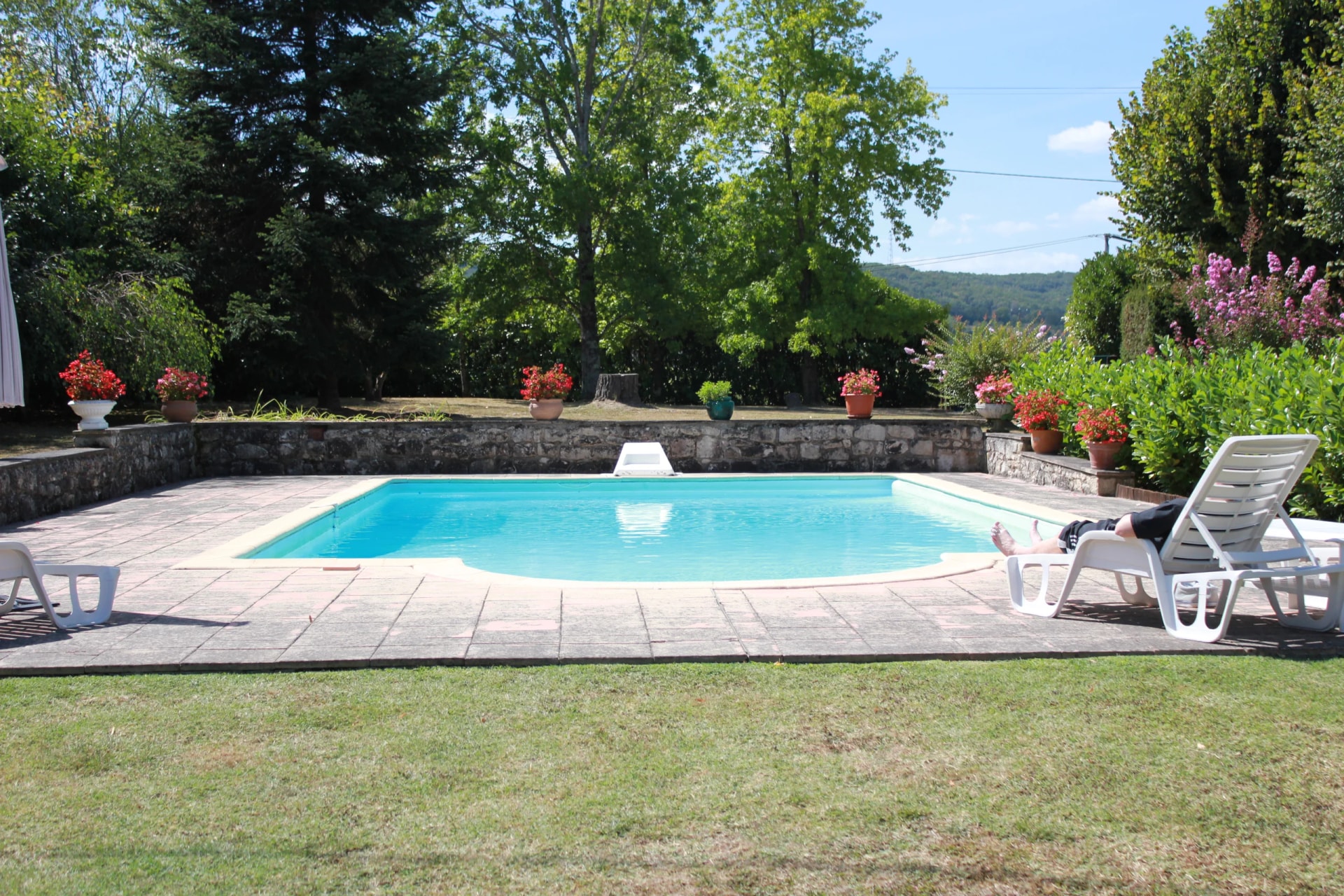
An hour and ten minutes after leaving the airport we turned down a gravel drive to a stone cottage with a pool. The owner had built a golf course in the field over the years, nine holes of it, and it was a lot better than it had any right to be. There was a small lake stocked with fish. There was a barbecue spot under the trees with a table that stayed set up all week. Twenty minutes' drive away was a village with a bar in it, and we went one evening and had a drink and it was lovely, and other than that we saw nobody.

That week changed what I look for in a holiday. If you have found yourself searching for remote holiday destinations in Europe, you either already know the feeling I am describing or you suspect it exists somewhere and you would like to find it.
This is a guide to nine places in Europe where you can get away from other people properly. All of them are reachable from the UK. All of them need a hire car and a bit of forward planning. In none of them will you find a seafront lined with bars showing the football.
What "remote" actually means when you are booking
Booking sites use quiet and remote as though they mean the same thing, and they do not. A quiet hotel on a busy island is still on a busy island, and you will discover that at the airport at the end of the week when four thousand other people are also leaving.
There are a few markers that tell you whether somewhere is the real thing, and you can spot most of them on a map before you have read a single review. You fly into a small regional airport rather than a hub. The drive from the airport is at least forty minutes and usually longer. There is no promenade. The nearest supermarket is a drive away and closes for two hours at lunchtime. Mobile signal comes and goes.
The one that matters most is harder to see on a map. The best of these places were working landscapes long before anybody came on holiday to them, and they would carry on without visitors perfectly well. Where the tourism sits on top of farming or fishing rather than replacing it, the atmosphere is completely different, and you can feel it within an hour of arriving.
Here is where to find it.
1. The Dordogne, France

The Dordogne is the gentlest way into this kind of holiday, and it is the one I would send anybody to first. You can stay somewhere with no neighbours in sight and still be twenty minutes from a bakery, which suits people who want the quiet without committing to the wilderness.
The valley itself is limestone cliffs, slow green rivers and oak and chestnut woods, with villages of pale gold stone built into the rock. Beynac and La Roque-Gageac both sit directly underneath cliffs on the river and look like sets, and are not. Sarlat holds one of the best markets in France on a Saturday morning and it does fill up, but the countryside starts again about a mile outside it.
What we did for a week was not much. Swam in the river. Bought cheese and walnuts and duck from a market. Drove to Lascaux IV to see the cave paintings. Sat outside as it got dark and listened to the crickets start up. The one thing we planned properly was the canoe trip, which runs from Vitrac down to Beynac, a couple of hours of drifting past castles with the current doing most of the work and a minibus at the far end to bring you back to your car. It cost about twenty euros each and it was the best day of the trip.
What makes the Dordogne work at this price is the gîte. Renting a stone house with a pool out in the countryside is completely normal here, there are thousands of them, and the supply keeps prices sensible in a way that it does not in Provence or Tuscany. If you want the self catering without the isolation, the region is also well covered by Eurocamp sites, which is a reasonable halfway house for a first trip with young children.
Fly to: Bergerac (EGC). Ryanair, Jet2 and British Airways serve it seasonally from Stansted, Bristol, East Midlands, Liverpool, Leeds Bradford, Birmingham, Manchester and Edinburgh depending on the year, with around four direct flights a day from the UK in high summer. Returns start around £35 and average nearer £100. Brive and Limoges are alternatives, and Bordeaux is roughly two hours away if the fares work out better.
Drive time: 30 to 90 minutes to most of the Dordogne valley.
Best time: June or September. July and August get hot and the well known villages fill up.
Budget: A four bedroom gîte with a pool runs roughly £900 to £1,600 a week in July and a good deal less either side of it. Car hire from Bergerac is around £250 to £400 for a week in summer. Book it when you book the flights, because a small airport has a small fleet and there is no back up option when it runs dry.
2. Assynt and the far north-west Highlands, Scotland

Head north from Ullapool and the landscape stops behaving the way British landscapes are supposed to. The mountains of Assynt do not form a range. They come up one at a time out of a floor of bog and lochans, each one on its own, and Suilven is the one everybody photographs because it looks impossible from every direction you approach it.
Sutherland is the emptiest part of mainland Britain, with a population density lower than most of Scandinavia. On the single track road from Lochinver up to Kylesku you will pass more deer than cars, and you will spend a fair bit of the drive reversing into passing places for people who live there and drive it faster than you do.
You do not come for comfort. Achmelvich has white sand and water the colour of the Caribbean and you can often have it to yourself, because it takes a long time to get to and the sea is cold enough to make you swear. The Lochinver Larder does a pie that people drive two hours for and it deserves the drive. In June the light hangs on until eleven at night, and in winter you get some of the darkest skies in Europe.
If you would rather not book a cottage at all, this is prime country for it, and Scotland's access laws make it possible in a way most of Europe does not. Our guide to wild camping in Scotland covers where you can pitch and what the rules actually say.
Bring midge repellent between June and August, and bring more than you think you need.
Fly to: Inverness (INV), served from Luton, Gatwick, Heathrow, Manchester, Birmingham, Bristol and Belfast, then drive two to two and a half hours north west. You can also drive the whole way, which from the north of England is a long day but a good one, or take the Caledonian Sleeper from Euston and pick up a car at Inverness.
Drive time: 2 to 2.5 hours from Inverness to Lochinver.
Best time: May and September. May gives you long days before the midges arrive, September gives you the colour on the hills.
Budget: Self catering cottages in Assynt run roughly £600 to £1,200 a week. There are good small B&Bs too, but book early, because the total number of beds in the area is small.
3. The Beara Peninsula, Ireland

Everybody drives the Ring of Kerry. Hardly anybody drives the Beara, which sits just below it and is the better road. It is a long finger of rock and heather running west into the Atlantic, with the Caha mountains down the middle and narrow lanes clinging to both coasts.
What stays with you is the colour. Rust coloured bracken, black wet rock, grey green sea, and the light shifting every ten minutes because the weather is arriving off three thousand miles of open ocean. Allihies has a beach, a couple of pubs and a copper mining history that is stranger than you expect. Eyeries is painted in colours that should clash and somehow do not. At the very end there is a cable car across to Dursey Island, the only one in Ireland, carrying six people and occasionally a sheep over a strait with the sea churning underneath.
This is a place for walking, for reading and for sitting in a pub where a conversation is going on that you are welcome to join and under no obligation to. Ireland does that better than anywhere.
Fly to: Cork (ORK) from most UK airports, or Kerry (KIR) from Stansted, Luton and Manchester with Ryanair. Both are around two hours from the peninsula. Driving over and taking the ferry makes sense if you want bikes, walking gear and a boot you do not have to weigh, and it is one of the better options in our roundup of holidays without flying from the UK.
Drive time: Around 2 hours from either airport.
Best time: May, June or September. It will rain in all of them and that is part of the deal.
Budget: Cottages from around £500 a week outside high summer, and flights to Cork are regularly under £60 return.
4. Alentejo, Portugal

Everybody goes to the Algarve. Directly above it sits a region covering nearly a third of Portugal with almost nobody in it. The Alentejo is cork oak and wheat, white hill towns, and a stretch of coast that Portuguese families have used for decades and the tour operators have mostly left alone.
Inland is where it gets seriously quiet. Monsaraz is a walled village on a hilltop above a reservoir the size of a small sea, with a handful of streets and a view over into Spain. Marvão sits on a crag so unlikely that you slow the car down when it first appears. Mértola is a river town where the mosque became a church and the fabric of both is still visible. Between them there is holm oak, black pigs and roads where you can set the cruise control and not touch it again for half an hour.
The food is as much of a reason to come as the emptiness. Pork with clams, bread stews thickened with coriander, sheep's cheese you eat with a spoon, and wine that has quietly become some of the best in Portugal while still costing eight euros in a restaurant. It earns its place in our list of the best food in Europe and almost nobody outside Portugal has heard of any of it.
If you want a coastline, the Costa Vicentina in the south west has cliffs and surf beaches and villages like Odeceixe and Zambujeira do Mar, busy for three weeks in August and empty the rest of the year.
Fly to: Lisbon (LIS) for the north of the region, Faro (FAO) for the south and the coast. Both are served from every UK airport and fares are low. Évora is about ninety minutes from Lisbon and the Costa Vicentina about ninety minutes from Faro.
Drive time: 1.5 to 2.5 hours depending on your base.
Best time: April, May, September and October. Inland in July and August regularly passes 40C and there is nowhere to hide from it.
Budget: One of the cheapest weeks here. Rural guesthouses and farm stays from around £70 a night, dinner for £15 a head with wine.
5. Galicia, Spain

Most British people booking Spain are thinking about heat and a beach, and there is a whole guide to the best beach holidays in Spain if that is what you are after. Galicia is the other Spain. Up in the top left corner, green, wet, Atlantic, closer in feel to Ireland than to Andalusia, and largely ignored by everyone who is not walking the Camino.
Two parts of it are worth building a week around. The Ribeira Sacra is a pair of river canyons inland from Ourense where vines grow on terraces so steep that the grapes still come down by hand and by boat. They call it heroic viticulture and having seen the slopes, that is not marketing. Romanesque monasteries sit above the gorge, one of them now a parador, and you can take a catamaran along the Sil through country with no road access at all. The wine is mencía, it is very good, and almost none of it leaves Spain.
The other is the Costa da Morte, the coast of death, named for the number of ships it has taken. Cabo Vilán has a lighthouse on a headland that gets the full weight of the Atlantic. Praia do Trece is a beach you walk twenty minutes to reach and then have to yourself. At Fisterra the land runs out, which medieval pilgrims took quite literally. Along the whole stretch you will see percebeiros scrambling on wet rock between waves to cut goose barnacles off the stone, which is the most dangerous job in Spanish fishing and pays accordingly.
Everywhere in between there are hórreos, stone granaries raised on legs to keep the rats out, standing in the corner of nearly every field. Eat octopus with paprika, empanada and whatever came off the boat, and expect it to rain.
Fly to: Santiago de Compostela (SCQ) with Ryanair from Stansted and Vueling from Gatwick, around two and a quarter hours, with one way fares regularly under £50. A Coruña (LCG) and Vigo (VGO) both have UK links too and are worth checking on price.
Drive time: About an hour from Santiago to the Costa da Morte, about an hour and a half to the Ribeira Sacra.
Best time: June and September. July and August are the driest and the busiest, and busy here is still quiet.
Budget: Casas rurais from around £60 to £90 a night. The menú del día in a village restaurant is usually twelve to fifteen euros for three courses and wine.
6. The Faroe Islands

Eighteen islands in the north Atlantic between Scotland and Iceland, with 55,000 people on them and something like 70,000 sheep. This is the most dramatic landscape you can reach on a direct flight from the UK, and most people have no idea the flight exists.
The scale is what gets you. Cliffs go straight down into the sea. Waterfalls get blown back upwards in the wind before they reach the bottom. Villages of forty people sit in the one flat patch in a valley with grass growing on the roofs, connected to each other by tunnels bored under the seabed, one of which has a roundabout in it lit up like an installation, under the ocean.
You will get weather, probably four kinds of it in an afternoon, and that is the reason to come rather than a drawback. Saksun, Gásadalur and Tjørnuvík are the three villages worth building days around. Take the boat to Mykines if the puffins are in and the sea allows it. Drive up Kalsoy to Trøllanes and walk out to the lighthouse across ground that falls away on both sides. Then spend an evening watching cloud move down a fjord, which turns out to hold your attention for a lot longer than you would guess.
If the appeal is partly that you will not be sweating through it, the Faroes sit alongside the rest of our coolcation destinations for 2026.
Fly to: Vágar (FAE) direct from Edinburgh with Atlantic Airways, Mondays and Thursdays from March to December, around 1 hour 20 minutes. There is a seasonal Gatwick service from late May as well. Checked baggage is included in the fare, which almost nobody does any more. Vágar is 45 minutes from Tórshavn.
Drive time: Nowhere on the islands is more than about 90 minutes from the airport.
Best time: May to September for daylight and boat crossings. Late summer for fewer visitors.
Budget: The most expensive place on this list. Budget £120 to £180 a night for a room and expect Norwegian restaurant prices. Self catering and the Bónus supermarket take a lot of the sting out.
7. Abruzzo, Italy

An hour and a half east of Rome, Italy stops looking like the version on the posters and turns into something rougher. A third of Abruzzo is national park. It holds the highest peaks in the Apennines, the biggest surviving wolf population in western Europe, and around fifty Marsican brown bears living in the mountains above villages where people still leave their doors unlocked.
The hill towns are the reason to come. Santo Stefano di Sessanio and Castel del Monte are both worth an afternoon, and Rocca Calascio, a ruined castle on a bare ridge with nothing around it for miles, has turned up in enough films that you will half recognise it. Underneath them is the Campo Imperatore, a high plateau so large and so empty that the Italians call it Little Tibet, where shepherds still bring flocks up for the summer.
Twenty minutes in the other direction you reach the Adriatic and the trabocchi, wooden fishing platforms built out over the water on stilts, several of which now do dinner while you sit above the sea.
Abruzzo is quiet without feeling abandoned, which is not true of every emptied out region in Italy. The bakers and butchers are still open, there are still old men outside the bar in the afternoon, and prices are around a third of Tuscany. It is the region we would point anyone towards who has read our guide to slow travel in Italy and wants to go further than Umbria.
Fly to: Pescara (PSR) with Ryanair from Stansted, 2 hours 25 minutes, with returns regularly available between £33 and £60. Rome Fiumicino and Ciampino also work and are about two hours away by road.
Drive time: About an hour from Pescara up into the mountains.
Best time: May, June and September, or autumn for the food festivals.
Budget: Agriturismi from around £70 a night, usually with dinner available for another £20 a head, which will be the best meal of your week.
8. Maramureș, Romania

If you want to go somewhere in Europe that feels like a different century, this is the one. Maramureș sits in the far north of Romania against the Ukrainian border, and it holds the last rural peasant culture in Europe still functioning on its own terms rather than being maintained for visitors.
People cut hay with scythes and build it into cones in the fields. Horses and carts are how things get moved. Wooden churches with shingled spires eighty feet tall stand in villages of a few hundred people, and eight of them are UNESCO listed. On a Sunday morning people walk to church in traditional dress because that is what you wear to church.
It is not always an easy place to be a visitor and it would be dishonest to pretend otherwise. The poverty is real and visible. What you get in return is hospitality on a scale that will embarrass you, and if you turn up without expecting anything to have been arranged for you, it is one of the most memorable weeks available in Europe. It is also about as cheap as travel in Europe gets, which is a theme in our collection of lessons from people who have seen the world without going broke.
Base yourself around Breb, Botiza or Vadu Izei. Go to the Merry Cemetery at Săpânța, where every grave marker is painted blue and carries a short poem about the person underneath, some of them funny and some of them brutal.
Fly to: Cluj-Napoca (CLJ) with Wizz Air from Luton, daily, around three hours, with returns often between £50 and £120. Ryanair also serves Cluj from the UK. From the airport it is about two and a half hours north into Maramureș.
Drive time: 2.5 hours from Cluj.
Best time: June and July for the hay meadows, which are among the most flower rich in Europe. September for the plum harvest and the țuică distilling that goes with it.
Budget: The cheapest week on this list by a distance. Guesthouses from £30 to £50 a night, usually with a large breakfast and often dinner as well.
9. Senja, Arctic Norway

Lofoten has become famous. Senja, the island immediately north of it, has not, and a good few people who know both prefer Senja. It is Norway's second largest island, with a jagged Atlantic facing west coast of pinnacles and small hidden beaches, and a soft forested interior that nobody photographs at all.
The road down the west coast, signed as a National Tourist Route, links a string of fishing villages. Husøy sits on its own island with a causeway built out to reach it. Mefjordvær and Gryllefjord are barely bigger. Between them the mountains come out of the sea at angles that look like somebody has exaggerated them.
In summer the sun does not set for two months, which does something strange to your sense of time. You find yourself setting off on a walk at eleven at night because it is light and there is no particular reason not to. Come between late September and March instead and you get the northern lights and a lot of darkness, which is a completely different holiday in the same place.
Stay in a rorbu, a converted fisherman's cabin standing on stilts over the water. It is the classic accommodation up here and it lives up to the photographs.
Fly to: Tromsø (TOS), which now has direct flights from Heathrow and Gatwick with British Airways, SAS and Norwegian, around 3 hours 35 minutes, plus connections through Oslo from Manchester, Edinburgh and elsewhere. Returns from London start around £80 to £150. Senja is two and a half to three hours from Tromsø including a short ferry.
Drive time: Around 3 hours from Tromsø.
Best time: June and July for midnight sun, late September to March for aurora.
Budget: Norway is expensive. A cabin runs £120 to £200 a night. Self cater, shop at Rema 1000 or Kiwi, and treat one restaurant meal as the event of the week.
How to plan one of these so it actually works
Nobody comes home from a holiday like this complaining they were bored. When they go wrong, they go wrong on logistics, and a few things head that off.
Book the hire car before anything else. Small airports have small fleets, and at Bergerac, Kerry or Santiago they do run out. When they run out there is no fallback, because there is no train and no taxi driver who will do a ninety minute transfer for a price you would agree to. Car first, then flights, then the house.
Take an automatic if you are at all nervous about driving abroad. Mountain roads, an unfamiliar gearstick on the wrong side and a tired car full of people is a combination worth spending an extra fifty quid to avoid.
Sort out the first night's food before you land. You will arrive in the evening, drive for two hours and reach a house with nothing in it, in a village where the shop shut at one and does not open on a Sunday. Stop at a supermarket on the way through, or ask the owner about an arrival food box, which most rural rentals will do if you ask in advance.
Book the flights properly. Regional routes are seasonal, thinly served and priced differently from the big holiday corridors, so the usual tricks do not all apply. Our guide to finding cheap flights covers what still works in 2026.
Download offline maps. Google Maps offline areas at minimum, and something like Komoot or OS Maps for walking. The drive from the airport is exactly where the signal goes, and it is exactly where you need the map.
Leave the first two days empty. People arrive out of busy lives and try to fill the week, then go home tired. Give it two days and the pace changes without you doing anything about it.
Check what actually opens. Some of these places have one restaurant within twenty miles and it serves four nights a week. Knowing that in advance is fine. Finding it out on a Tuesday evening is not.
Which one should you pick?
For a first go at this with young children, the Dordogne is hard to beat. The transfer is short, the gîte and pool combination does most of the work, and there is enough within half an hour to fill a rainy day.
For the biggest landscape relative to the amount of travelling, go to Assynt. For something dramatic that you can still reach on a direct flight, the Faroes.
If the budget is tight, Alentejo, Abruzzo and Maramureș are all genuinely cheap once you are on the ground, and flights to all three can be found under £80 return.
Galicia and the Beara are the two to pick if you want walking, weather and very good food in roughly equal measure, and if you do not mind getting rained on.
If it is specifically mountains you are after, rather than emptiness, that is a slightly different holiday and we have covered it separately in our guide to European mountain holidays.
And if you want the week you will still be talking about in ten years, go to Senja.
Frequently asked questions
What is the most remote place to holiday in Europe?
Of the places you can realistically reach from the UK, the Faroe Islands and the far north west Highlands feel the most cut off. Both are Atlantic, both are thinly populated and both have weather that reminds you where you are standing. Maramureș in Romania is the most remote culturally, in that daily life there is unlike anywhere else on the continent.
Do I need a car for a remote holiday in Europe?
Almost always. Every destination here assumes a hire car, and in most of them public transport either does not exist or runs twice a day. The exception is basing yourself in one village and walking from the door, which works in parts of Galicia and on the Beara if you pick your base carefully.
When should I book?
Earlier than feels necessary, for two reasons. Rural properties are individually owned and there are not many of them, so the good ones go six to nine months ahead for summer. And hire car fleets at small airports sell out completely in July and August. For a summer trip, aim to have it booked by January.
Are these holidays suitable for children?
They can be excellent, but the transfer time is the thing to watch. Anything over two hours from the airport with a toddler in the back is hard work before the holiday has started. The Dordogne and Abruzzo are the easiest with young children, because the drive is short and there is enough nearby to fall back on. Senja and Maramureș are better saved for when they are older. If the isolation sounds like more than you want to take on with a small child, our guide to the best European cities for a holiday with a toddler covers the opposite approach.
How much does it cost?
There is a wide spread. A week in Maramureș or inland Alentejo can be done for under £700 a head including flights. The Faroes or Arctic Norway will land closer to £1,500 to £2,000 a head. The Dordogne, Abruzzo and Galicia sit in between, at roughly £800 to £1,200 a head for a family week covering flights, car and a rental house.
Still weighing up where to go? Start with our best summer holiday destinations for 2026, or work through it more methodically with our guide to choosing your next travel destination.
Have you been somewhere in Europe that felt properly remote? We are always after first hand stories from people who have made the drive and stayed in the house at the end of the track. Get in touch and tell us about it.