
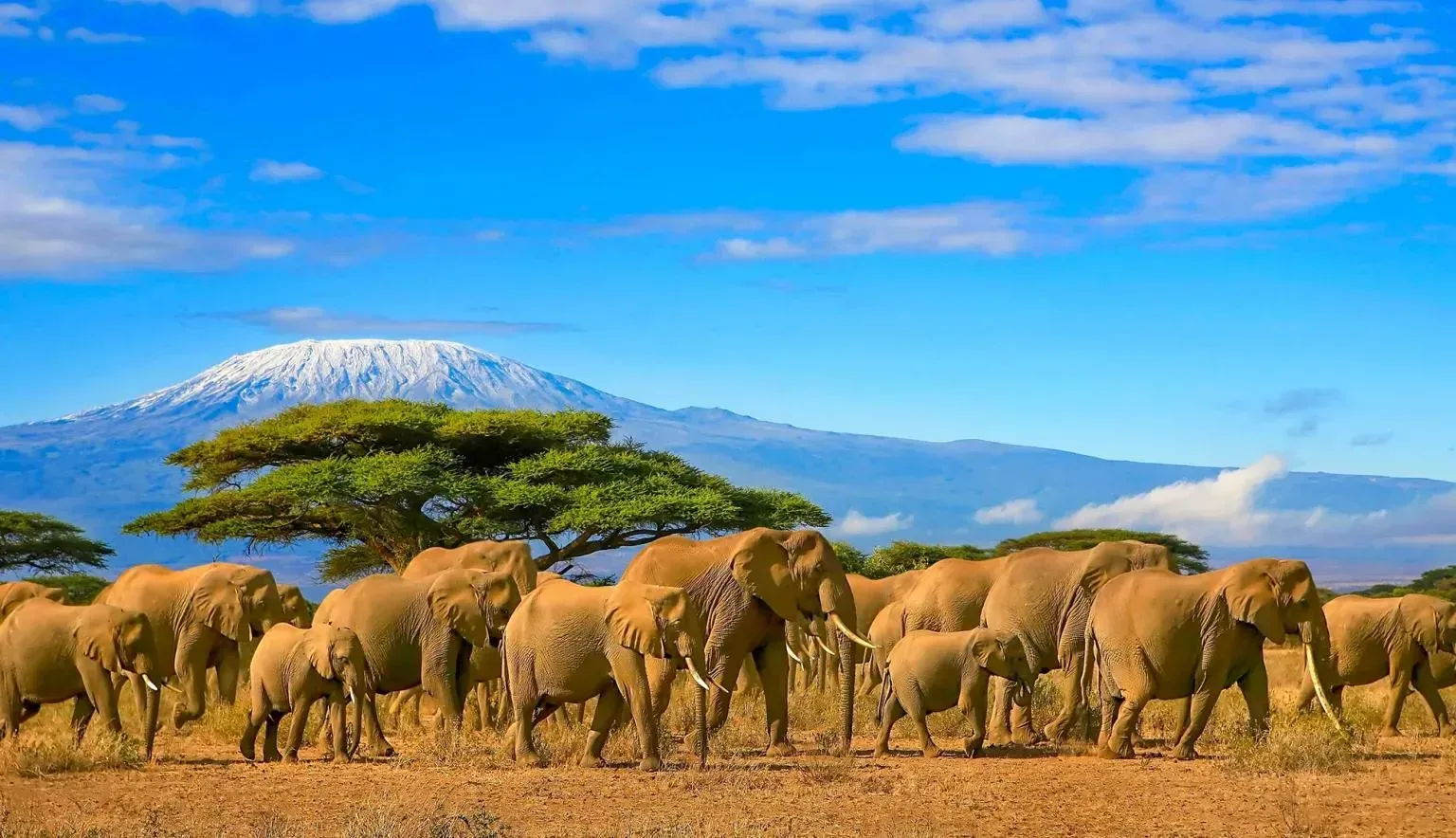
Tanzania is one of East Africa's most rewarding destinations for travellers who enjoy wildlife, nature and outdoor adventures. From watching elephants cross the open plains of Tarangire to spotting lions in the Serengeti, the country offers plenty of experiences beyond a traditional holiday.
A trip to Tanzania can include early morning safari drives, visits to traditional villages, mountain views and relaxing days along the Indian Ocean. You can explore the famous Ngorongoro Crater, plan a trek towards Mount Kilimanjaro or spend a few days on Zanzibar Island.
For travellers planning an African holiday, Tanzania offers different ways to explore the country. With carefully planned Tanzania tour packages, you can combine national parks, comfortable safari lodges and coastal stays in one itinerary.
Why Should You Visit Tanzania?
Tanzania has a varied landscape that makes it suitable for different types of holidays. Its national parks are home to elephants, lions, giraffes, zebras and many other wildlife species. The country also has mountain trails, lakes, traditional communities and tropical beaches.
Here are some reasons to consider Tanzania for your next holiday:
Wildlife safaris: Explore famous national parks and observe animals in their natural habitats.
The Great Migration: Witness the seasonal movement of wildebeest and zebras across the Serengeti.
Mountain adventures: Discover Mount Kilimanjaro and its different trekking routes.
Island holidays: Enjoy Zanzibar's beaches, historic streets and coastal experiences.
Cultural experiences: Learn about local traditions, food and communities.
Scenic landscapes: Discover crater valleys, open grasslands, lakes and baobab forests.
Tanzania is also a good choice for couples, families and small groups looking for a combination of wildlife, nature and relaxation.
Best Places to Visit in Tanzania
Tanzania has several national parks and natural attractions. Your route can include two or three major destinations, depending on your available time and travel interests.
1. Serengeti National Park
The Serengeti is one of Tanzania's most recognised safari destinations. Its vast grasslands support large populations of wildlife, including lions, leopards, elephants, cheetahs and giraffes.
The park is particularly famous for the Great Migration, when millions of wildebeest and zebras move across the Serengeti ecosystem in search of fresh grazing areas.
A guided game drive is one of the main activities here. Early morning and late afternoon drives offer opportunities to spot wildlife when many animals are active.
Travellers can also stay in safari lodges or tented camps around the park. Staying close to the wildlife areas makes it easier to enjoy multiple game drives during the trip.
2. Ngorongoro Crater
Ngorongoro Crater is a major highlight of northern Tanzania. This UNESCO World Heritage Site is a large volcanic caldera with a wildlife-rich floor surrounded by steep crater walls.
The area supports elephants, lions, zebras, buffaloes, flamingos and other wildlife. A game drive across the crater floor gives visitors an opportunity to explore different habitats within a single day.
The crater is also known for its scenic viewpoints. Travellers can enjoy wide views of the landscape before descending into the conservation area.
It is a popular addition to Serengeti safari itineraries because the two destinations offer different wildlife settings.
3. Tarangire National Park
Tarangire National Park is known for its large elephant populations, ancient baobab trees and open landscapes.
The Tarangire River is an important water source, particularly during the dry season. Wildlife gathers around the river, making it a rewarding location for game drives.
Visitors may spot elephants, giraffes, zebras, wildebeest, lions and several bird species.
Tarangire is a good addition to a northern Tanzania safari. Its landscapes also provide excellent opportunities for wildlife photography.
4. Mount Kilimanjaro
Mount Kilimanjaro is Africa's highest mountain and one of Tanzania's most recognisable landmarks.
The mountain attracts trekkers from around the world. Its climbing routes pass through different natural environments, starting with forested slopes and continuing towards alpine landscapes and the snow-covered summit.
Popular routes include Machame, Marangu and Lemosho. Each has a different duration, difficulty level and acclimatisation profile.
Climbing Kilimanjaro requires preparation, suitable equipment and a properly organised guided trek. Travellers who do not plan to climb can still enjoy views of the mountain from nearby areas around Moshi and Arusha.
5. Zanzibar Island
After a wildlife safari, Zanzibar offers a relaxing change of pace. Located off Tanzania's coast, this tropical island is known for its white-sand beaches, turquoise waters and historic Stone Town.
Visitors can explore the narrow streets of Stone Town, discover local spice farms and enjoy boat trips along the coast.
Beach activities include swimming, snorkelling, diving and sailing, depending on the location and sea conditions.
Zanzibar works particularly well as an extension to a mainland safari. You can spend a few days exploring national parks before finishing your holiday with a beachfront stay.
6. Lake Manyara National Park
Lake Manyara National Park is another interesting stop on Tanzania's northern safari circuit.
The park features a mix of woodland, grassland, lake shores and forest habitats. It is known for its birdlife, elephants and scenic views of the Great Rift Valley escarpment.
Visitors can enjoy guided game drives and explore the park's varied landscapes. Lake Manyara is often included in itineraries alongside Tarangire and Ngorongoro.
What Are the Best Experiences to Include in a Tanzania Holiday?
A well-planned Tanzania holiday can include more than national park visits. Consider adding these experiences to your itinerary:
1. Guided wildlife game drives
Travel through national parks in a safari vehicle with an experienced guide. These drives offer opportunities to observe wildlife and learn about animal behaviour.
2. Witnessing the Great Migration
Plan your Serengeti visit around the seasonal movement of wildebeest and zebras. The timing and location of the herds change throughout the year.
3. Hot-air balloon safari
Some Serengeti safari areas offer hot-air balloon experiences. Enjoy aerial views of the plains during an early morning flight, followed by a bush breakfast.
4. Exploring Stone Town
Walk through Zanzibar's historic centre, visit its markets and discover the island's Swahili, Arab and other cultural influences.
5. Visiting a spice farm
Discover the spices grown on Zanzibar, including cloves, cinnamon and nutmeg. Guided visits explain their uses in local cooking and daily life.
6. Relaxing on Zanzibar's beaches
Set aside time for swimming, coastal walks and water activities. You can also enjoy a quieter stay at a beachfront resort.
Best Time to Visit Tanzania
The best time to visit Tanzania depends on the experiences you want to include. Wildlife viewing, the Great Migration, mountain trekking and beach holidays each have slightly different seasonal considerations.
Travel period | What to expect |
|---|---|
June to October | Dry weather, excellent safari conditions and strong wildlife-viewing opportunities |
November to December | Short rains, greener landscapes and generally fewer safari visitors |
January to March | Warm weather and the wildebeest calving season in the southern Serengeti |
April to May | Long rainy season, lush scenery and fewer visitors in many areas |
June to October: This is generally the most popular period for a Tanzania safari. Vegetation becomes thinner, and wildlife often gathers around available water sources. The Great Migration also moves through different parts of the Serengeti during this period.
November to December: The short rains bring fresh greenery to the landscape. This period can suit travellers who prefer quieter parks and enjoy photography.
January to March: The southern Serengeti and Ndutu area become important locations during the wildebeest calving season. February is particularly well known for this event.
April to May: These months receive heavier rainfall. Some safari camps may close temporarily, and road conditions can be affected. However, the landscape becomes greener, and visitor numbers are generally lower.
For most first-time safari travellers, June to October is a good starting point. If seeing the calving season is a priority, consider January or February instead.
Where to Stay in Tanzania
Accommodation plays an important role in a Tanzania safari. Your choice of stay can affect travel time to national parks, access to game drives and the overall comfort of your holiday.
Tanzania offers city hotels, safari lodges, tented camps and beachfront resorts.
Some accommodation options featured in BlueTerra's Tanzania collection include:
Gold Crest Hotel, Arusha: A modern city hotel with rooftop dining and views of Mount Meru.
Tarangire Sopa Lodge, Tarangire: A safari lodge with spacious rooms, a swimming pool and wildlife surroundings.
Serengeti Serena Lodge, Serengeti: A lodge overlooking the Serengeti plains, with access to safari areas.
Ngorongoro Serena Lodge, Ngorongoro: A property located along the Ngorongoro Crater rim.
Tembo House Hotel, Stone Town: A heritage-style seafront property with access to Stone Town's historic attractions.
Conserve Safari Camp, Central Serengeti: A tented camp close to popular wildlife-viewing areas.
For a safari and beach holiday, consider selecting lodges near the national parks and finishing your trip with a stay in Zanzibar.
How to Plan a Tanzania Safari and Beach Holiday
Combining a mainland safari with a Zanzibar beach stay is a practical way to experience two different sides of Tanzania.
Here is an example of how you can structure a six to eight-night holiday:
Days 1–2: Arusha and Tarangire
Arrive in Tanzania and travel towards Arusha. Depending on your arrival time, you can relax at your hotel before beginning your safari. Continue to Tarangire National Park for a game drive.
Days 3–4: Serengeti National Park
Travel towards the Serengeti and explore its wildlife-rich plains. Plan guided game drives and spend time at a safari lodge or tented camp.
Day 5: Ngorongoro Crater
Continue towards the Ngorongoro Conservation Area. Enjoy a crater visit and explore the surrounding landscapes.
Days 6–8: Zanzibar
Travel to Zanzibar and spend the remaining days exploring Stone Town and relaxing at the beach. You can include a spice farm visit or a boat excursion before departure.
This is a sample route. Actual travel time, internal flights and the number of nights at each destination will depend on your arrival airport, budget and preferred experiences.
What Should You Pack for Tanzania?
Packing for Tanzania requires some planning, particularly if your itinerary includes both safari parks and coastal destinations.
Here are some useful items to carry:
Lightweight, neutral-coloured clothing for safari drives.
A warm jacket for early morning game drives.
Comfortable walking shoes.
Sunglasses, a hat and sunscreen.
Insect repellent.
Binoculars and a camera.
Swimwear and beach clothing for Zanzibar.
Personal medication and essential travel documents.
If you plan to climb Mount Kilimanjaro, you will need specialised trekking clothing, suitable footwear and cold-weather equipment.
Plan Your Tanzania Holiday with BlueTerra
Planning a Tanzania holiday involves selecting the right national parks, arranging safari transfers and choosing suitable accommodation. The route also needs to account for seasonal wildlife movements and the time required to travel between destinations.
BlueTerra offers curated Tanzania tour packages covering safari experiences, national parks and beach holidays. Available itineraries include combinations such as Tarangire, Serengeti and Ngorongoro, along with options that bring together a mainland safari and a Zanzibar stay.
The collection features stays ranging from city hotels to safari lodges and tented camps. BlueTerra works with local safari operators, guides, hotels and transport providers to organise the different parts of your journey.
Explore the available Tanzania tour packages and find an itinerary that suits your travel dates and interests. You can also contact BlueTerra to discuss a customised route.
FAQs About Travelling to Tanzania
Q. How many days are enough for a Tanzania holiday?
Around 6–8 days can cover a short northern Tanzania safari. If you also want to explore Zanzibar, consider around 9–12 days, depending on your route and travel pace.
Q. Is Tanzania suitable for a family holiday?
Yes. Families can enjoy guided safaris, wildlife viewing and beach stays. Choose accommodation and safari activities according to the ages and needs of your group.
Q. Can I combine Serengeti and Zanzibar in one trip?
Yes. You can combine a Serengeti safari with a Zanzibar beach holiday. Domestic flights can help connect mainland safari areas with the island, depending on the available route and schedule.
Q. What is Tanzania famous for?
Tanzania is famous for the Serengeti, the Great Migration, Ngorongoro Crater, Mount Kilimanjaro, Tarangire National Park and Zanzibar Island.
Q. Is Tanzania good for couples and honeymooners?
Yes. Couples can combine private safari experiences, scenic lodges and beachfront accommodation in Zanzibar. The itinerary can be planned around wildlife activities and relaxation.
Q. What currency is used in Tanzania?
The Tanzanian shilling (TZS) is the local currency. Some hotels, safari operators and tourist businesses may also accept major foreign currencies or card payments. Carry some local currency for smaller purchases.
Q. Do I need to book a Tanzania safari in advance?
Advance booking is recommended, particularly for travel during the June to October dry season and popular holiday periods. Safari lodges and camps in preferred locations can have limited availability.
Q. Can I visit Tanzania without climbing Mount Kilimanjaro?
Yes. Climbing is optional. You can explore national parks, enjoy wildlife safaris, visit local attractions and spend time on Zanzibar's beaches without undertaking a mountain trek.