
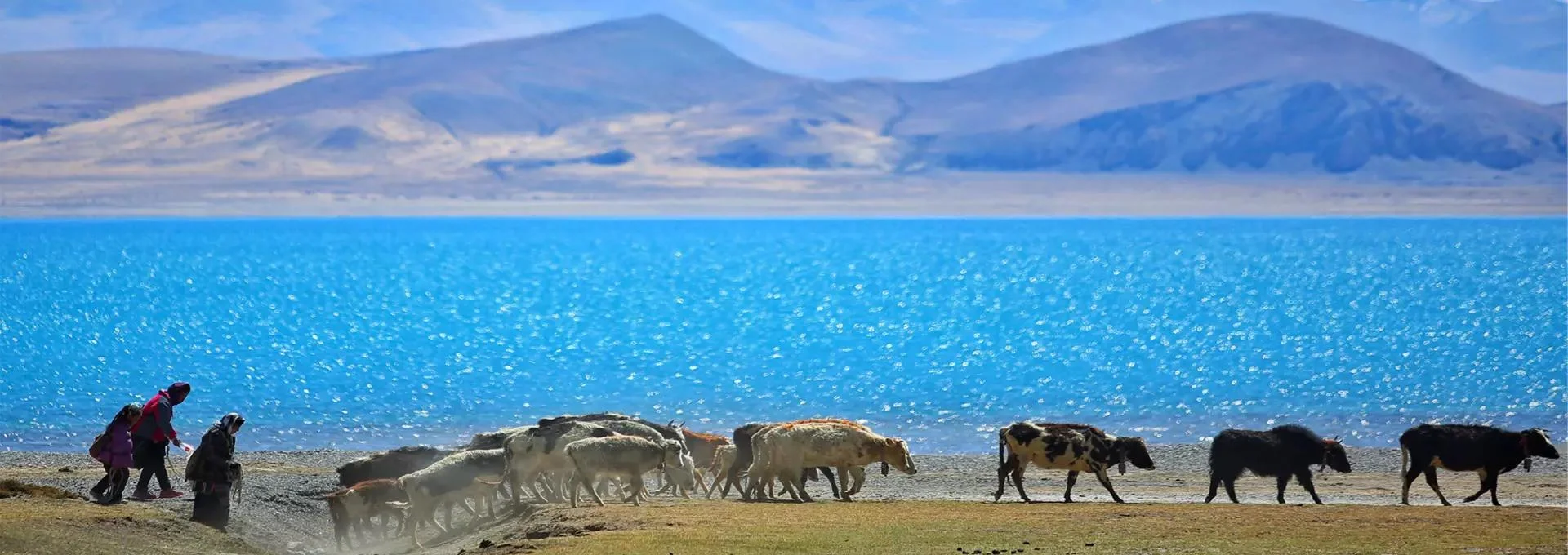
Tibet had been on my travel list for a long time. For this trip, I planned to travel from Hong Kong to Xining, then take the Qinghai–Tibet Railway to Lhasa. After exploring Lhasa, I continued to Shigatse and Sakya, before returning to the Lhasa area to visit Ganden Monastery and Drak Yerpa.
Rather than rushing through as many places as possible, I wanted to spend time exploring Tibet's monasteries, old towns and landscapes. The journey also gave me a chance to learn more about the geography and history of the Tibetan Plateau.
From Hong Kong to Xining
My journey started in Hong Kong. Since there is no direct train from Hong Kong to Lhasa, I first needed to reach Xining in Qinghai Province.
Xining is located at around 2,275 metres above sea level. It is an important transport hub in northwest China and one of the main starting points for travelling to Tibet by train.
I chose Xining as a stop before entering Tibet. Spending a night here can also provide a gradual transition to higher elevations before the longer railway journey to Lhasa.
Taking the Qinghai–Tibet Railway to Lhasa
The train journey from Xining to Lhasa is one of the main highlights of this trip.
The railway covers approximately 1,956 kilometres and usually takes around 20–22 hours. It passes through Golmud, the Kunlun Mountains, Hoh Xil and the Tanggula Mountain region before reaching Lhasa.
The scenery changes along the way. After leaving Xining, the train gradually enters a much more open landscape, with vast grasslands, snow-covered mountains and high-altitude wilderness.
One of the most interesting sections is Hoh Xil, a protected natural area known for its Tibetan antelopes and other wildlife. The railway also crosses the Tanggula Mountains, with the highest section reaching more than 5,000 metres above sea level.
The train has an oxygen supply system to help passengers cope with the high altitude. For anyone travelling to Tibet for the first time, this railway journey is not just a means of transport but also an opportunity to see how the landscape changes as the train climbs onto the Tibetan Plateau.
Exploring Lhasa
Lhasa, at approximately 3,650 metres above sea level, was my first destination in Tibet.
The city has several important religious and historical sites, and I would suggest allowing at least two or three days to explore them.
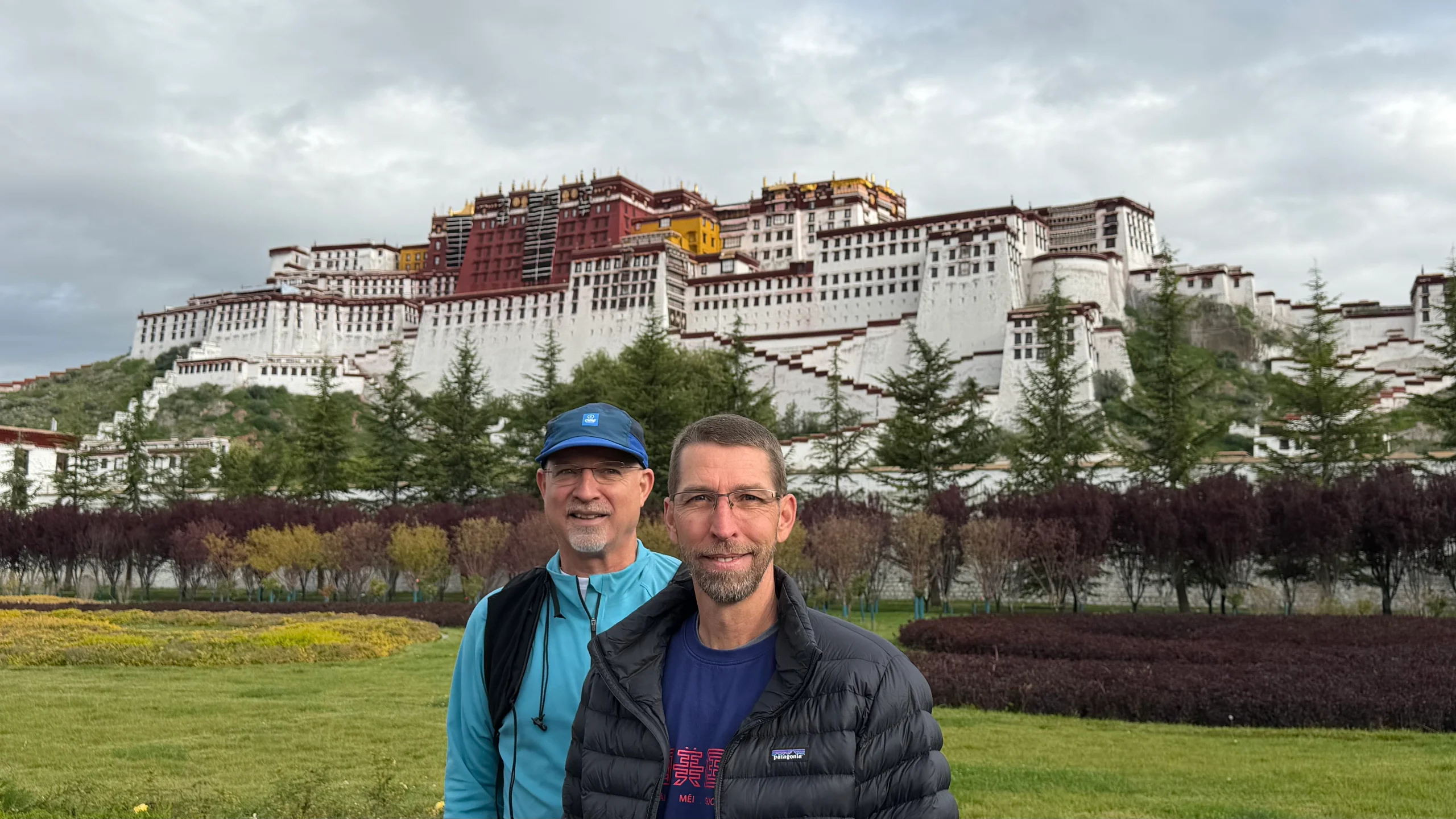
The Potala Palace is probably the most recognisable landmark in Lhasa. Built on a hill overlooking the city, it was the former winter residence of the Dalai Lamas.
Not far away is Jokhang Temple, one of the most important pilgrimage sites in Tibetan Buddhism. The surrounding Barkhor Street is also worth exploring. Pilgrims walk around the temple in a clockwise direction, while the streets are lined with shops selling traditional Tibetan goods.
Other important places include Sera Monastery and Drepung Monastery. Both are major centres of the Gelug school of Tibetan Buddhism, and Sera Monastery is particularly known for its afternoon monk debates.
I would avoid packing too many activities into the first day in Lhasa. The city is already at a high altitude, so allowing time to rest and adjust is important.
Travelling to Shigatse via Yamdrok Lake
From Lhasa, I continued west to Shigatse, the second-largest city in Tibet.
Shigatse is located at approximately 3,850 metres above sea level. The route follows the Yarlung Tsangpo River valley and passes through settlements and agricultural areas along the way.
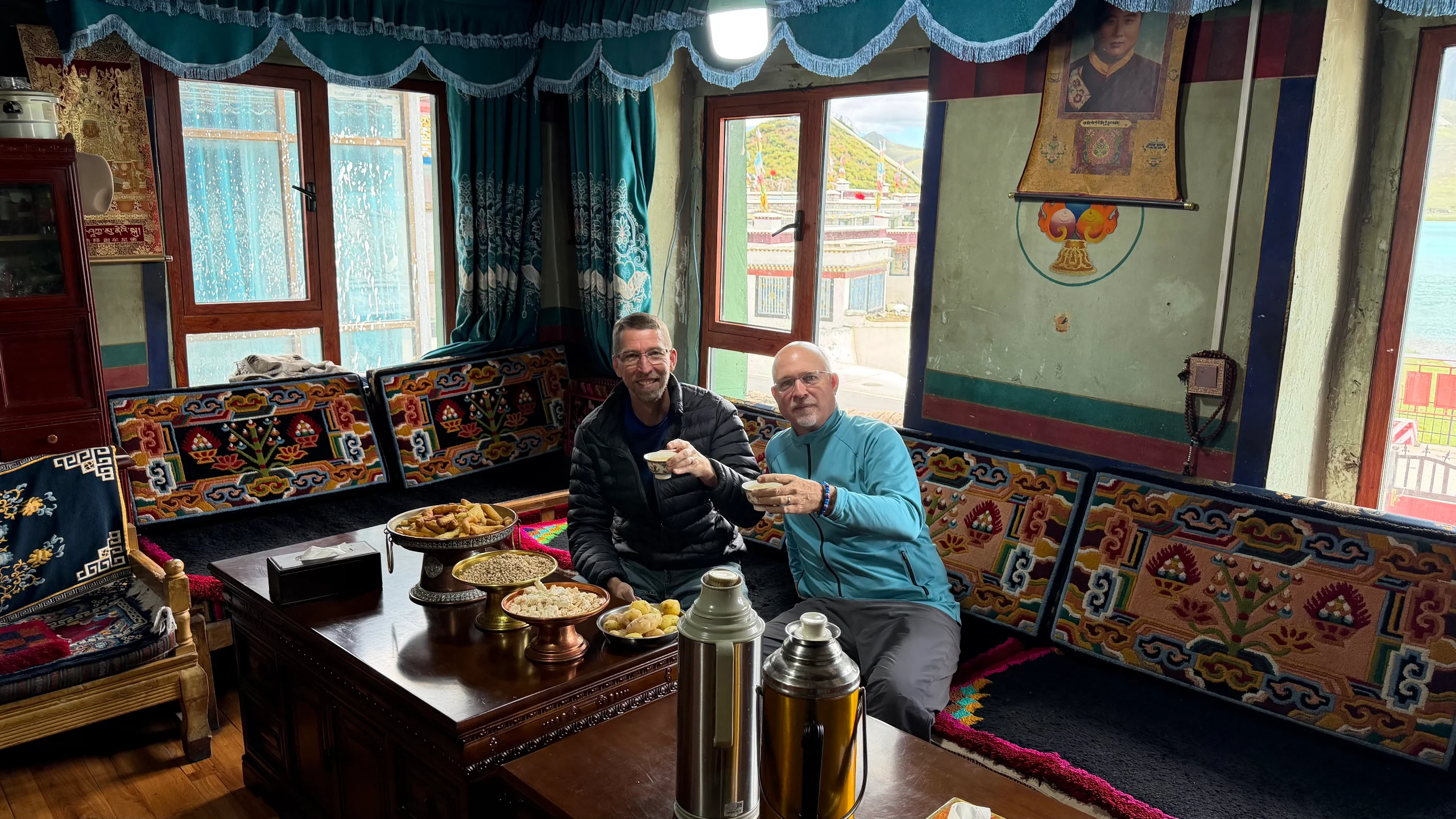
The most interesting thing is to have lunch and chat with the local Tibetans.
The main attraction in Shigatse is Tashilhunpo Monastery. It is the traditional seat of the Panchen Lamas and remains one of the most important monasteries in Tibet. The monastery complex is quite large, so it is worth allowing enough time to explore its assembly halls, chapels and courtyards.
Visiting Sakya Monastery
One of the places I particularly wanted to include in this journey was Sakya Monastery.
Located in Sakya County, southwest of Shigatse, the monastery is the principal centre of the Sakya school of Tibetan Buddhism.
Founded in 1073, Sakya Monastery has a long history. Its distinctive grey, white and red walls make it quite different from the monasteries around Lhasa.
Inside, the monastery is known for its large assembly hall, historical murals and extensive collection of Buddhist scriptures and manuscripts.
Sakya is not as frequently included in standard first-time Tibet itineraries as Lhasa or Shigatse, but it is an interesting destination for anyone interested in Tibetan history and Buddhist culture.
Ganden Monastery: A Monastery on the Mountain Ridge
After returning to the Lhasa area, I planned to visit Ganden Monastery.
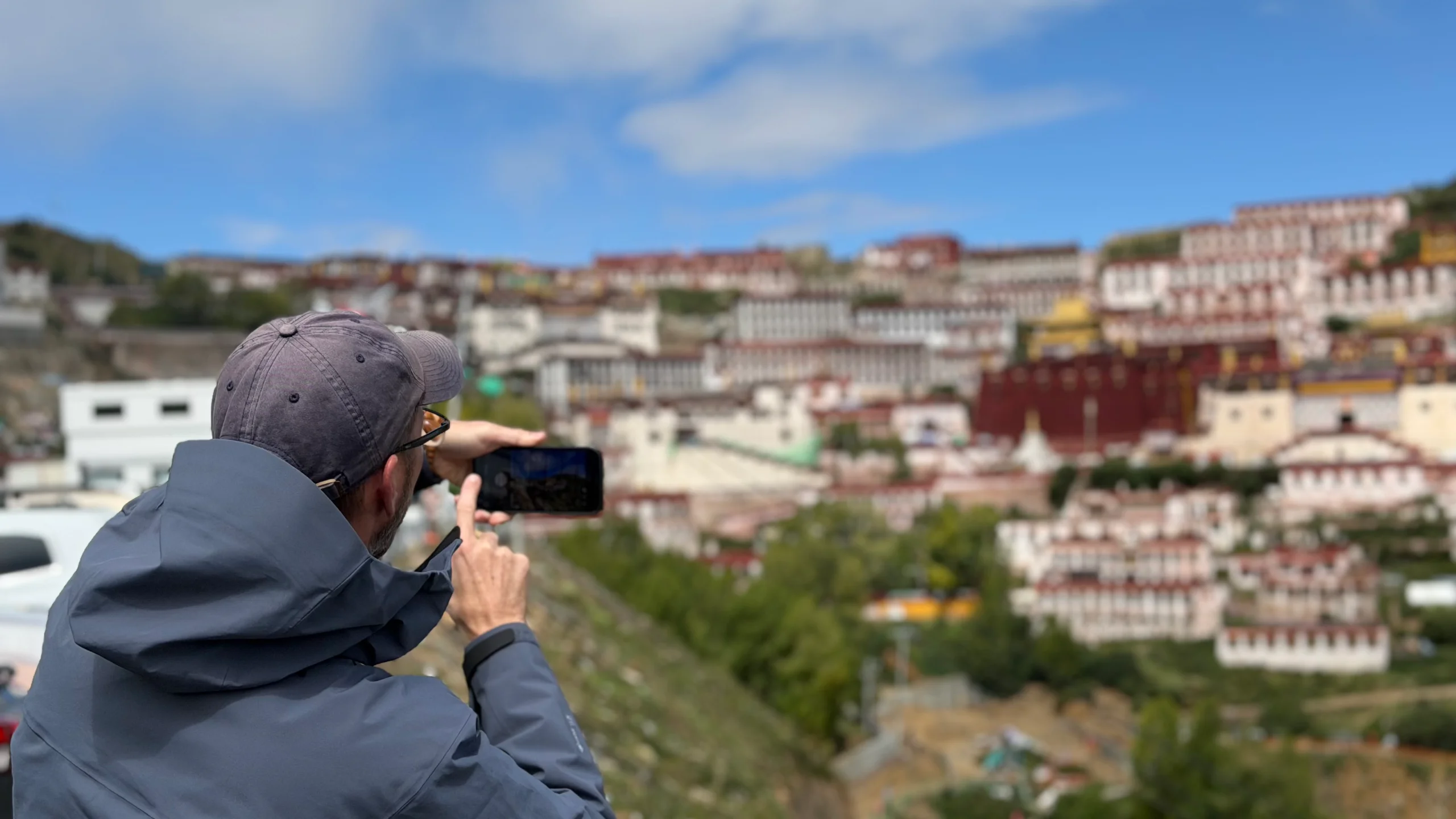
Founded by Tsongkhapa in 1409, Ganden is one of the three major Gelug monasteries around Lhasa, together with Drepung and Sera.
Unlike the large monastery complexes in the city, Ganden is built along a mountain ridge at approximately 4,300 metres above sea level.
Its location is one of its main features. The monastery overlooks the surrounding valleys, and there is a walking circuit known as Ganden Kora around the ridge.
The walk offers views of the surrounding mountains and the monastery buildings from different angles. Because of the altitude and uphill sections, it is better to take the walk slowly.
Drak Yerpa: Meditation Caves in the Mountains
Another destination near Lhasa is Drak Yerpa, a historic meditation site built into the cliffs northeast of the city.
Unlike Ganden Monastery, Drak Yerpa is not one large complex. It consists of a collection of small temples, chapels and meditation caves scattered along the mountainside.
The caves have a long religious history and are traditionally associated with important Buddhist figures, including Guru Rinpoche and Atisha.
Walking between the caves involves some uphill paths and steps. The surroundings are relatively quiet, and the site offers a different perspective on Tibetan Buddhist practice compared with the larger monasteries.
I would recommend allowing enough time here rather than treating it as a quick photo stop.
Travel Documents: What to Prepare Before Visiting Tibet
One thing worth understanding before planning a Tibet trip is that entry requirements depend on the passport or travel document you hold. Departing from Hong Kong does not automatically mean you have the same requirements as a Hong Kong resident.
For Hong Kong residents
Hong Kong residents travelling with a valid Mainland Travel Permit for Hong Kong and Macao Residents (Home Return Permit) generally do not need a Tibet Travel Permit.
For foreign passport holders
International visitors generally need the following:
Passport and China Visa
Tibet Travel Permit: It must be arranged through a licensed Tibet travel operator.
Alien's Travel Permit: Arranged by the travel agency.
Foreign visitors must arrange their Tibet journey through a licensed local tour operator, with a guide and vehicle. Independent travel is not permitted.
For the route described in this article, it is important to check the arrangements for Shigatse and Sakya in advance. Permit requirements can vary according to the destination and current regulations.
If travelling by train from Xining to Lhasa, foreign passport holders should also check the railway operator's document verification requirements before departure.
Conclusions
For a first trip to Tibet, I would not recommend rushing between destinations.
Lhasa is already at 3,650 metres, while Ganden Monastery is around 4,300 metres. Other destinations along the route are also at considerable elevations.
Allowing time to adjust in Lhasa before visiting higher places is a sensible approach. It is also worth checking opening arrangements, monastery visiting rules and transport conditions before setting out.
Looking at the route as a whole, this trip connects several important places across central Tibet:
Hong Kong → Xining → Lhasa → Shigatse → Sakya → Ganden Monastery → Drak Yerpa → Back
The railway journey, the historic monasteries and the different landscapes along the way make this a route I wanted to record in one place. Along with the locations themselves, I also wanted to keep the practical information about transport and travel documents for future reference.