How a Two-Week Holiday Became Six Months
In 2019 I was a truck driver with a broken back, spending my life going from one loading dock to another on someone else's schedule. I had not taken a real holiday since 1995. I was in poor health and I was exhausted.
One of my favourite authors mentioned on her blog that she was moving to Costa Rica. She talked about the warm weather and the culture and started posting photos. I had lived in Panama before and loved it, and I started thinking, why could I not do the same thing?
Originally it was only supposed to be a couple of weeks. But as I started researching, I realised there was far too much I wanted to see to do it in a fortnight.
So I quit my job.
Within about six weeks I had sold almost everything I owned, reduced my life to two suitcases and two Pomeranians, and booked a one-way ticket. There was no long-term plan. I knew I could live on my veterans benefits for a while and my only firm deadline was that I wanted to be back in the United States in time to vote in the 2020 election.

Getting Two Pomeranians on a Plane
This was one of the parts I worried about the most, but it turned out to be one of the easier bits.
My two Pomeranians went everywhere with me and I was not putting them underneath the plane with the luggage. I could take one dog in a carrier in the cabin, but I could not carry both myself.
The solution was simple. My son wanted to visit Costa Rica, so I bought him a ticket and he brought the second dog. Vaccinations up to date, veterinary health certificates sorted, and the required entry paperwork filed. For me, the hardest part was not the paperwork. It was figuring out how to get two dogs into the airplane cabin.
Anyone thinking about doing the same should check the current Costa Rican and airline requirements because rules change.
Where I Stayed Across Costa Rica
I did not plan the whole trip in advance. I would book somewhere for a while, settle in, and then decide where to go next. That became one of the best parts of the experience.
San Jose
My first stop was an Airbnb in the hills outside San Jose overlooking the valley. My son and his girlfriend stayed with me for about a week before flying home. I moved to another Airbnb on a coffee plantation outside the city and stayed about a week. I toured the plantation, visited a chocolate farm, took a cooking class and explored the area.
San Jose was useful for getting oriented. It gave me access to transportation, tours and services while I found my feet.
Tilaran and Lake Arenal
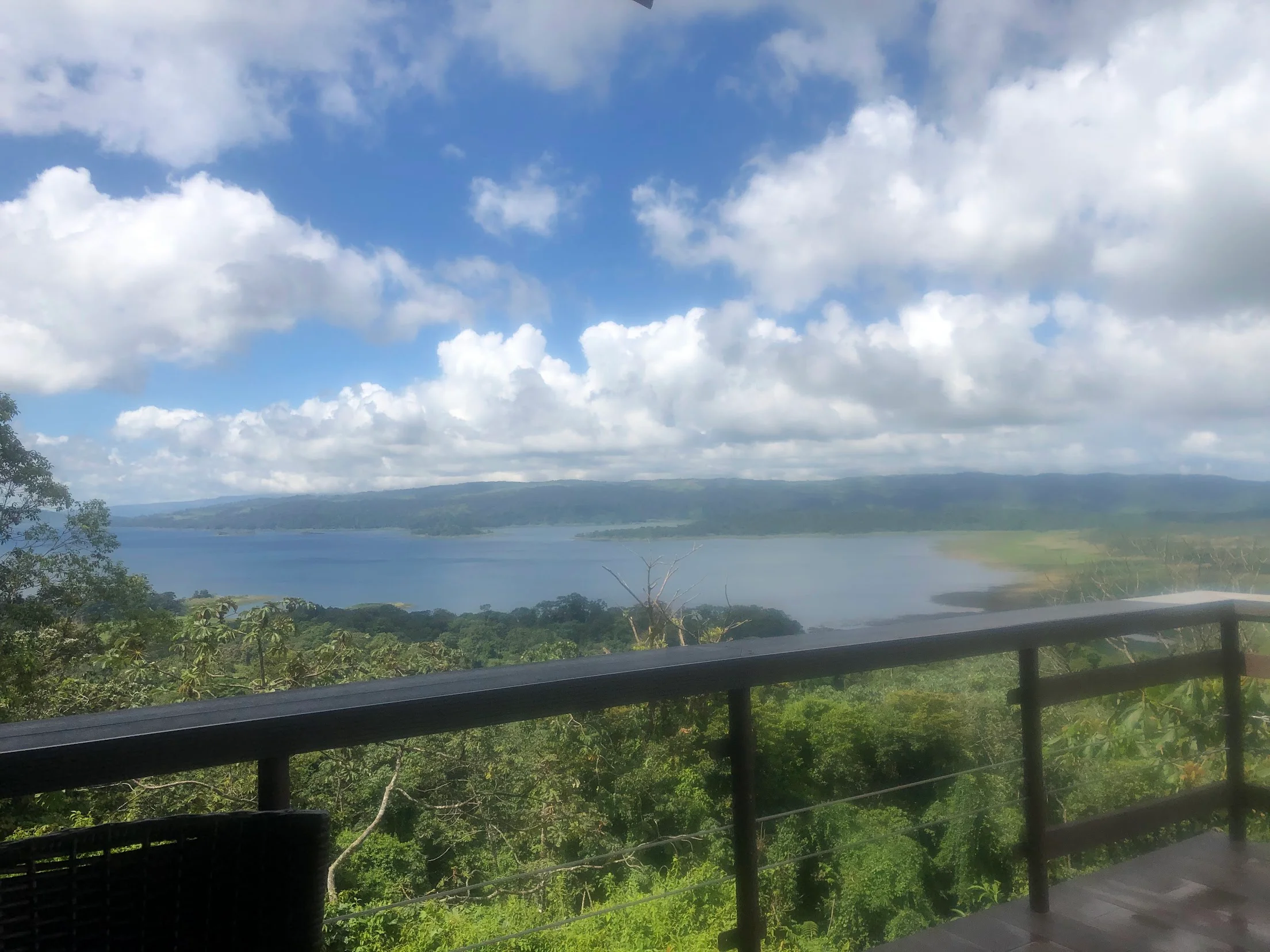
From San Jose I hired a private driver to take me to Tilaran, where I rented a room from a local family for about a month.
This was probably the most important part of the whole experience. The family spoke English, but after about three days they stopped speaking English to me. Tilaran was not full of English-speaking expats either, so I had to start learning Spanish very quickly.
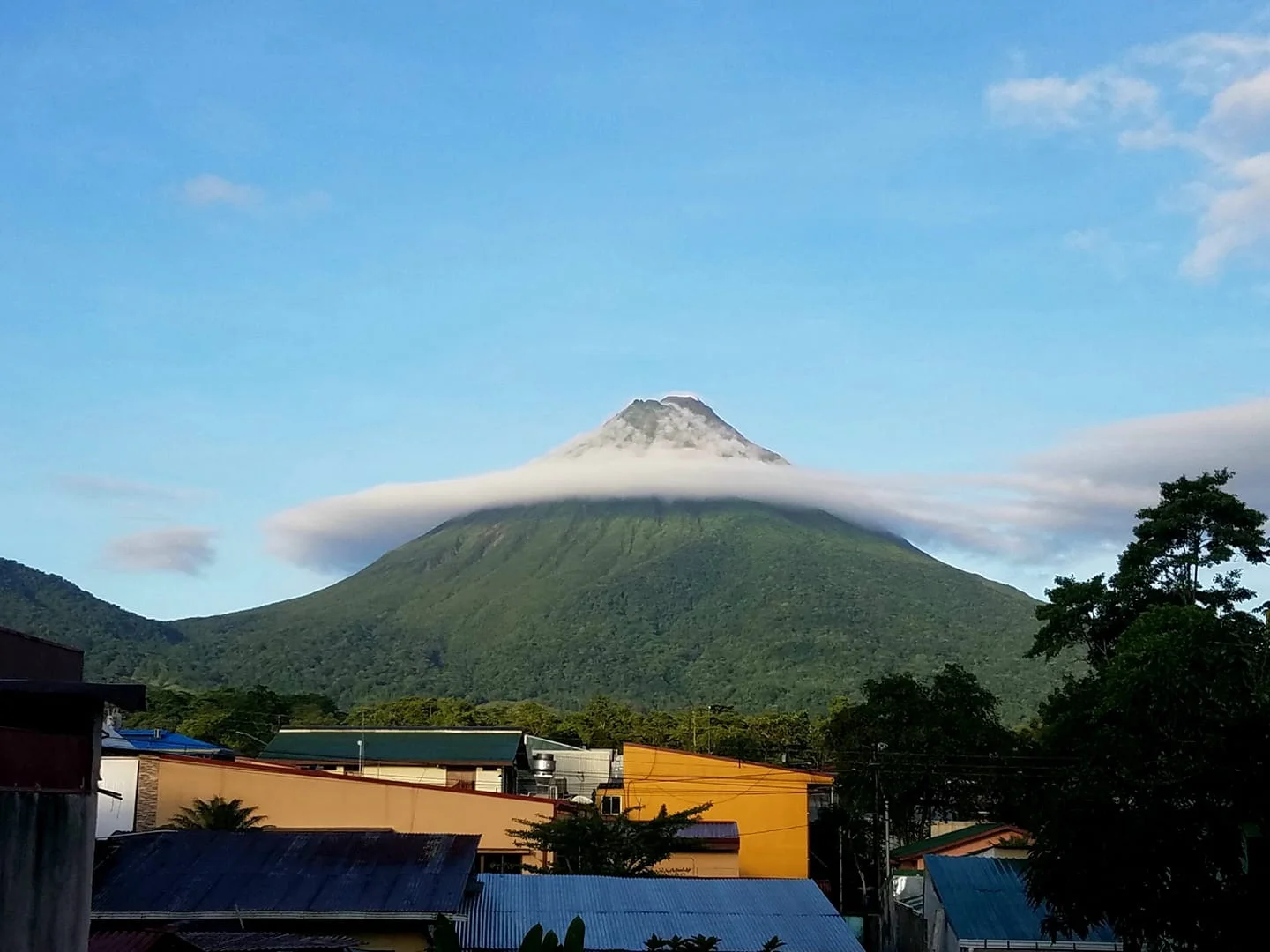
From there I explored the Lake Arenal area, La Fortuna, waterfalls, the cloud forest and everything around it. Tilaran is probably the place that had the biggest effect on me culturally because it forced me to adapt to everyday Costa Rican life rather than just visiting it.
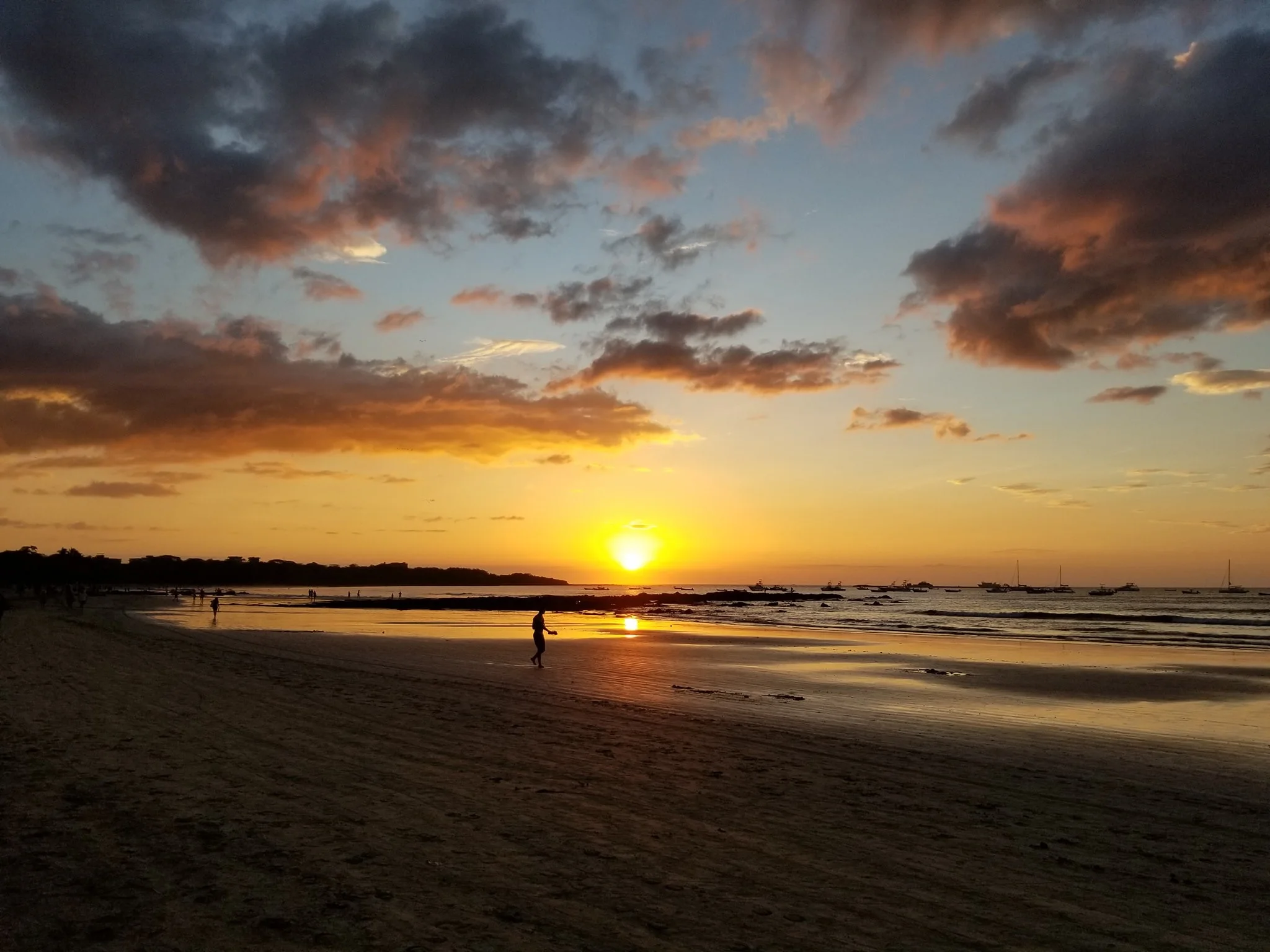
The Pacific Coast Outside Tamarindo
This became my favourite place to actually live, and I stayed for roughly five months.
I rented what was essentially a converted 20-foot shipping container. It had an air-conditioned bedroom and bathroom, with an outdoor living room and kitchen. It sounds strange when I describe it, but I absolutely loved that place.
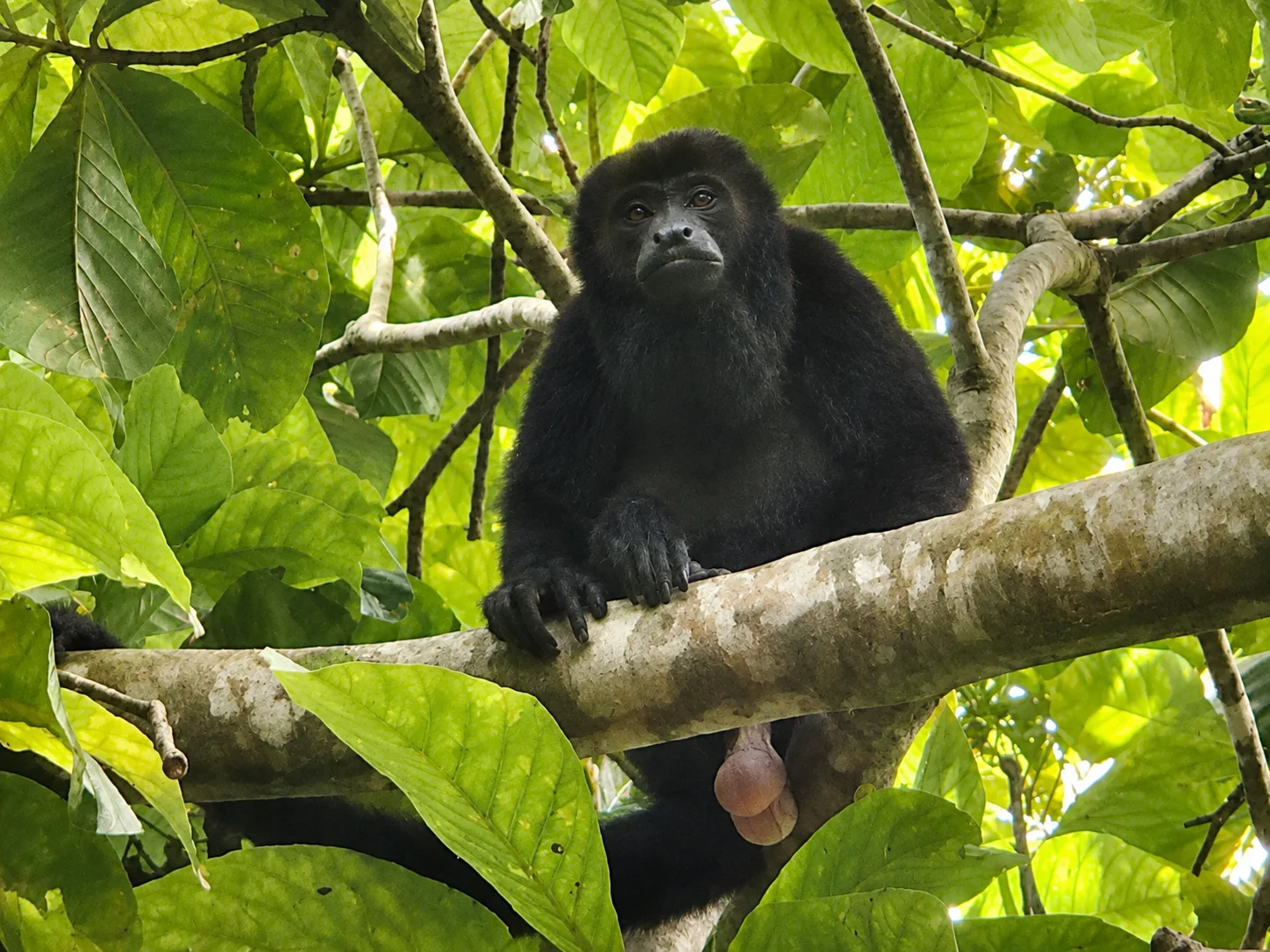
There were not really any neighbours. The owners lived about half a mile away. I had howler monkeys in the trees around me and I could sit and watch the ocean.
I loved being close enough to Tamarindo to go into town for groceries, markets and anything I needed, but far enough outside of it to have peace and quiet. I did not need constant entertainment. Some of my favourite days were the ones where I did not really do anything at all.
Manuel Antonio, Quepos and Beyond
Later I spent a few weeks in Manuel Antonio around Christmas, a few weeks in Quepos, some time in a very remote part of the peninsula, and eventually returned to the Tamarindo area near Playa Blanca.
Manuel Antonio is beautiful with plenty to see, but it is much more tourism-oriented than the places I preferred.
What It Actually Cost to Live in Costa Rica
My budget was $1,500 a month total, and I stayed within it.
Housing cost me somewhere between $300 and $500 a month depending on where I was staying. The rest covered food, transportation, excursions and everyday expenses.
I was not eating at tourist restaurants every day. I bought groceries, shopped at local markets and bought food from the people who travelled around selling fresh produce, baked goods and fish that had been caught that day.
For transport I walked a lot, used buses, used Uber where it was available and hired private drivers when I wanted to travel further or move from one part of the country to another.
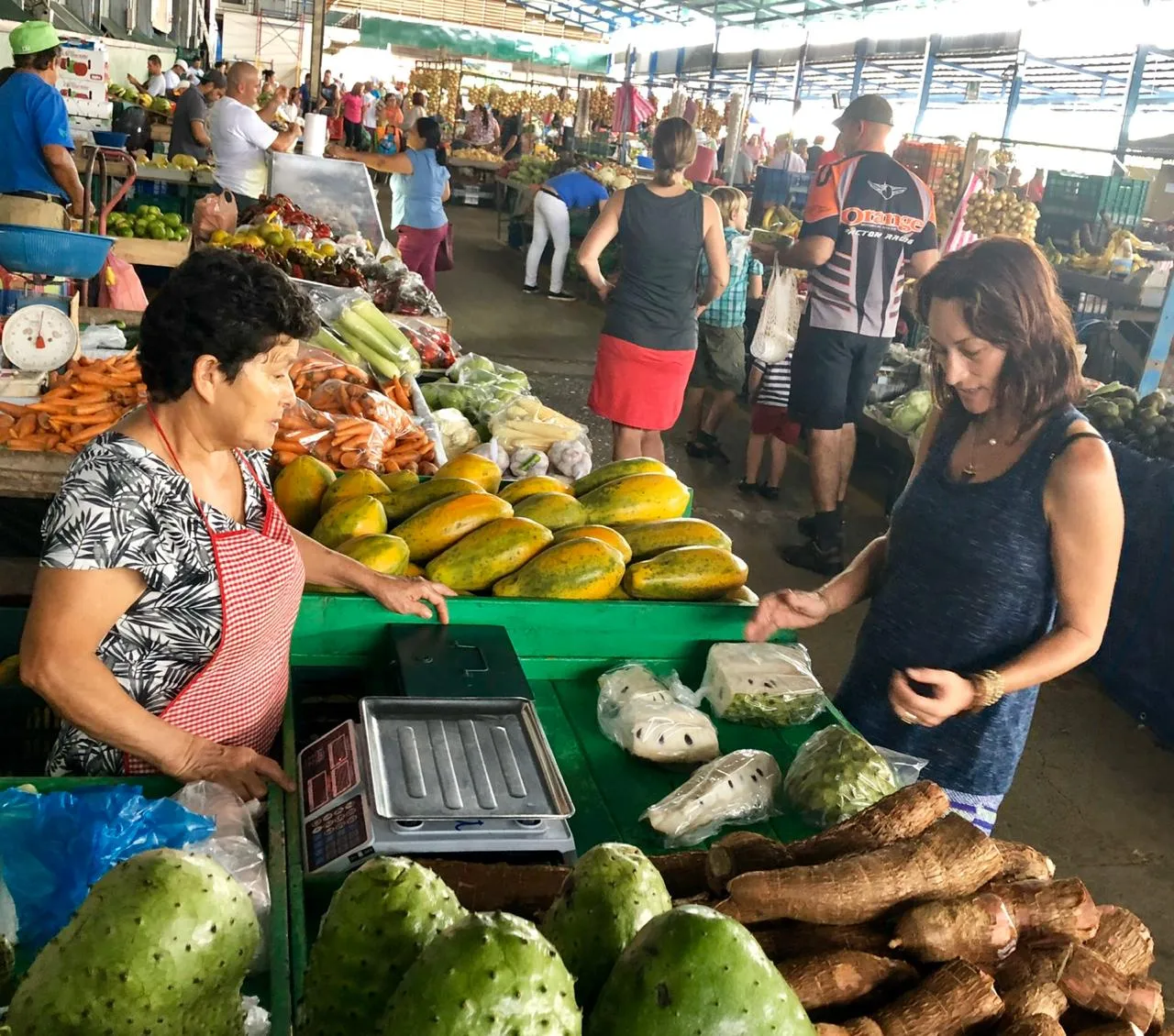
I still did tours and excursions and explored the country, but I was not living like I was on a two-week holiday every day. That makes a huge difference in what you spend.
Those were my actual costs in 2019 and early 2020. Prices will have changed since then.
The 90-Day Visa Run
One practical reality of staying long-term is that as a tourist I could only stay in Costa Rica for 90 days at a time. That meant every three months I had to leave the country and re-enter.
Most of the time I went to Nicaragua. I would cross the border, spend the day there and come back. It became part of the routine of living there, but it is something anyone planning a longer stay needs to know about and budget for.
How It Ended
On March 12, 2020, I flew back to the United States for a doctor's appointment. I left my dogs and most of my belongings with my nephew in Quepos because I expected to be back within about a week.
Then COVID happened.
The day I was supposed to return, the world started shutting down and I was stuck in the States. I had not planned on my Costa Rican adventure ending at all, much less like that.
What I Would Tell Someone Thinking About Doing This
Do not convince yourself that you have to have every detail figured out before you leave.
Do your research on the important things. Immigration requirements, finances, health care, medications, pet requirements, transportation and safety. But leave yourself room to change your mind.
Make sure you understand the immigration rules that apply to you. When I was there, my tourist stay was limited to 90 days, so leaving Costa Rica periodically was something I had to plan and budget for.
I originally thought I was going for a couple of weeks. If I had planned every night of the trip before leaving, I would have missed a huge part of the experience.
Stay somewhere for a month rather than racing through five destinations in ten days. You start figuring out where your favourite market is. People who travelled from place to place would sell fresh produce, baked goods and fish that had been caught that day. You develop a routine, and eventually it stops feeling like a holiday and starts feeling like you are actually living there.
Learn at least some of the language. Do not assume everyone will speak English just because you are in a tourist area. My very imperfect Spanish became much better simply because I had to use it.
And do not be afraid to live differently than you do at home.
I lived for months in a converted shipping container with an outdoor kitchen, two Pomeranians and howler monkeys for neighbours, and it remains one of my favourite places I have ever lived.
I went to Costa Rica because I thought I needed a holiday. What I discovered was that I needed the freedom to stop living entirely on someone else's schedule for a while.